3D printing sounds super high-tech, but it’s not as complicated as it seems. At its core, it’s all about turning digital designs into real-life objects. You start with a 3D model, which can be created in design software or downloaded from websites full of user-made designs.
The magic happens when a 3D printer works its process. It layers material—usually plastic or resin—little by little, until it builds up the object you want. Each layer sticks to the one below it, and before you know it, you’ve got a tangible item right in front of you.
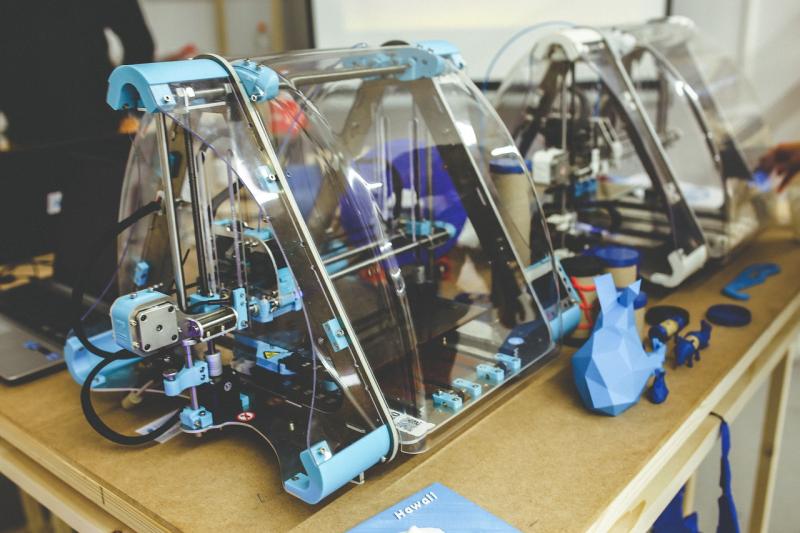
3D printers come in different types, and each has its quirks. FDM printers melt plastic and extrude it through a nozzle, perfect for beginners who want to start with something straightforward. SLA printers use resin and a light source to cure the material, making super-detailed prints but needing a bit more care.
Don’t forget about the materials! PLA is a popular choice for newbies because it's easy to work with and biodegradable. ABS is great for sturdy items but can be tricky for your first print. As you get hands-on, you'll see what materials give the results you want.
Jumping into 3D printing is exciting. Once you get your printer set up and understand the basics, it’s all about experimenting and having fun with your ideas. Whether you want to make custom toys, tools, or art, the possibilities are endless!
Choosing the Right 3D Printer
One key factor to consider is the type of materials you want to use. Most beginners go for FDM printers, which use plastic filament to create objects layer by layer. They’re user-friendly and pretty affordable. If you're looking to experiment with different materials, you might want to explore resin printers. They offer higher detail, but they can be trickier to deal with.
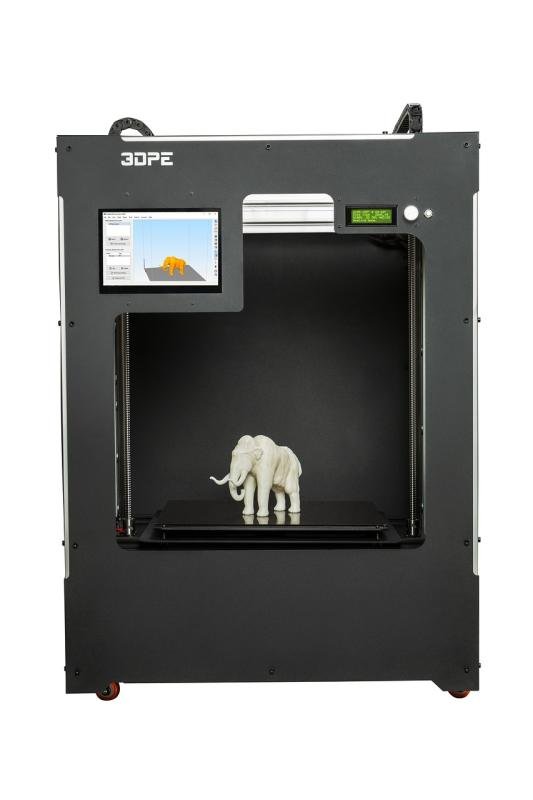
Think about the size of your projects too! Some printers have a small build plate, while others can handle larger items. If you plan on printing bigger models, you'll definitely want to invest in a printer with a spacious print area.
Don't forget about features that can make your life easier. Look for a printer with a heated bed, which helps prevent warping. Auto bed leveling is also a game changer for beginners, saving you tons of time on setup. Read some user reviews to see which models have earned a reputation for reliability and performance.
Essential Supplies for Your 3D Projects
When you're diving into 3D printing, having the right supplies can make all the difference. Here’s a quick list of essentials that you shouldn’t skip:
Don't forget about extra nozzles! They come in different sizes for different purposes. A smaller nozzle is great for fine details, while a larger one speeds things up for bigger prints. Just keep experimenting!
Having the right tools makes the printing process smoother and way more enjoyable. Get these essentials, and you’ll be ready to create amazing things!
Tips for Your First 3D Print
Getting ready for your first 3D print can be super exciting! Here are some handy tips to help you out.
First off, always double-check your 3D model. Make sure it’s ready to go and doesn’t have any holes or gaps. Software like Cura or PrusaSlicer will help you spot any issues. A good model saves you a lot of headaches later on!
Second, know your printer. Take some time to read the manual. Get familiar with the settings and features. Many printers have presets for different materials, so don’t be shy to explore those. It’ll make things easier!
Don’t jump in without testing. Start with a small print to get a feel for how your printer handles things. Something like a simple calibration cube is perfect. This way, you can tweak settings without wasting a bunch of filament.
Lastly, be patient! 3D printing can take time, especially for larger prints. Keep an eye on the process, but don’t stress if things take a bit longer than you thought. Enjoy the journey and celebrate when you see the final product come to life!