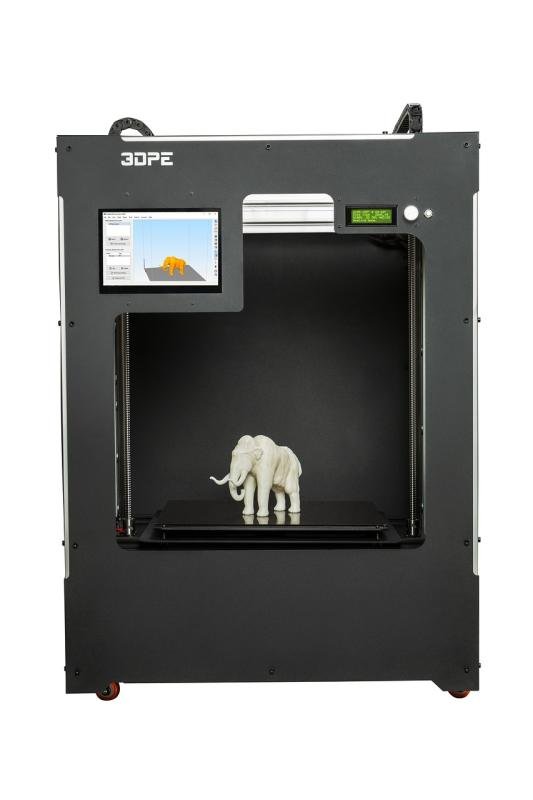
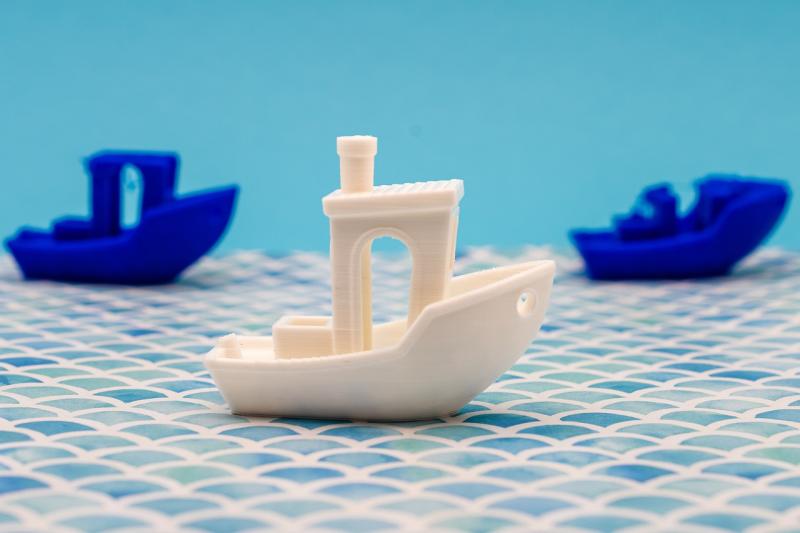
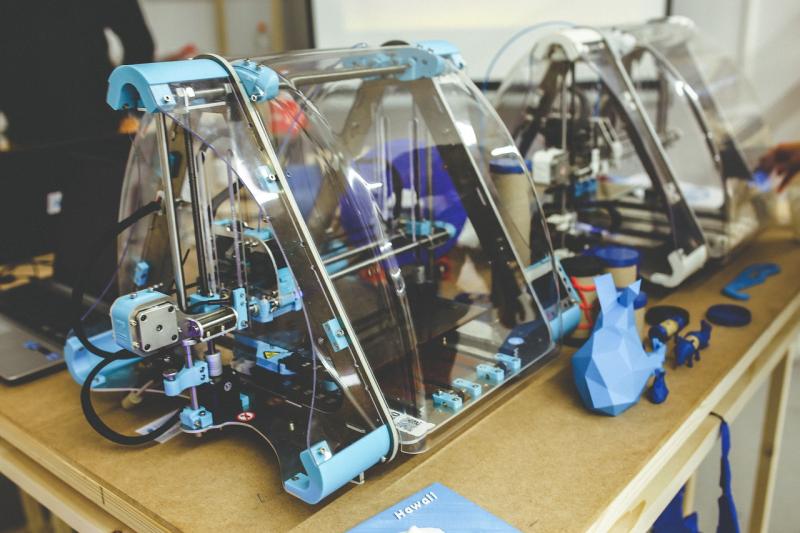
When diving into the world of 3D printing, you'll find a few main types of printers that cater to different needs and projects. It's super important to know what each type brings to the table. Let's break it down!
FDM Printers are the most common type you'll encounter. They work by melting plastic filament and layering it to create your design. FDM printers are user-friendly and great for beginners. Plus, they’re often affordable and can produce solid models with decent detail. If you're looking to print toys, prototypes, or basic household items, an FDM printer is the way to go.
Resin Printers are another popular option, especially for those who want finer details. They use UV light to harden liquid resin layer by layer. This means they can produce sharper, more intricate designs, perfect for things like jewelry or miniatures. While they tend to be pricier and a bit messier than FDM printers, the quality of the prints can really impress.
SLA Printers, a subset of resin printers, take detail to the next level. They’re often used by professionals for creating detailed prototypes and dental models. These printers offer high precision but also require some extra care in maintenance. If you're serious about fine detail and quality, SLA might be worth the investment.
SLS Printers are on the higher end of the spectrum. They use laser technology to fuse powdered material, creating strong and complex structures. SLS is great for functional parts and can print in various materials. However, these printers are typically more expensive and might be overkill for hobbyists. If you're in the game for robust, high-end prints, SLS is what you want.
Getting Started with 3D Printing
Jumping into 3D printing can feel a bit overwhelming, but don’t sweat it. It’s actually pretty easy once you get the hang of it. First, you’ll need to choose a printer that fits your needs. There are tons of options out there, from budget-friendly models to high-end machines. Think about what you want to create and how often you plan to print. This will help you narrow down your choices.
Next up is the material. Most entry-level printers use PLA, which is a great choice for beginners. It’s biodegradable, easy to work with, and comes in all sorts of colors. As you get more comfortable, you can explore other materials like ABS or PETG, which offer different strengths and finishes.
Ready to print? You’ll need some design software to create your models. Tinkercad is awesome for beginners. It's user-friendly and helps you build 3D designs without needing to be a pro. If you’re more experienced, programs like Blender or Fusion 360 offer advanced features for detailed work.
Once you have your design, you’ll convert it into a file type that your printer can read, usually an STL file. Then, you’ll use slicing software, like Cura or PrusaSlicer, to prepare your model for printing. This software sets everything up, from layer height to speed. Just hit “print,” and watch your creation come to life!
Essential Features to Look For
When you dive into the world of 3D printers, there are some key features to keep in mind. They can make a big difference in your printing experience. Let's break them down.
Build Volume: This is all about how big your printer can go. If you plan on printing larger items, make sure the printer has enough space. A good rule of thumb is to look for a build volume that matches your projects.
Print Quality: Look for printers that can deliver fine details and smooth finishes. Check out the layer height and resolution specs. A low layer height usually means better quality, making your prints look professional.
Material Compatibility: Not all printers can handle every type of filament. If you have specific materials in mind, like PLA, ABS, or flexible filament, make sure your printer supports them. It opens the door to a wider range of projects.
Ease of Use: You want a printer that’s user-friendly. Features like touchscreen controls, easy assembly, and good software make a world of difference, especially if you’re just starting out. A straightforward experience keeps you focused on creating, not troubleshooting.
Tips for Successful 3D Printing
Getting started with 3D printing can feel a bit overwhelming, but don't worry! Here are some friendly tips to help you achieve great results.
First up, choose the right filament. Different projects call for different materials. For starters, PLA is a great choice. It's easy to work with and perfect for beginners. If you want something tougher, try ABS. Just remember to ventilate your work area because the fumes can be a bit strong.
Next, pay attention to your printer settings. Things like print speed, layer height, and temperature all play a big role in the final product. If you’re unsure, start with the recommended settings from the manufacturer. They usually have a sweet spot that can save you a lot of trial and error.
Don't skip the prep work! Make sure your build plate is clean and leveled before starting a print. A well-leveled plate helps your first layer stick and sets the stage for a successful print. If the first layer isn’t perfect, everything that follows can go downhill quickly.
Keep an eye on your prints as they progress. It can be super exciting to watch, and you can catch any issues early on. If you see something going wrong, like warping or layer separation, you can stop the print and troubleshoot before it’s too late.